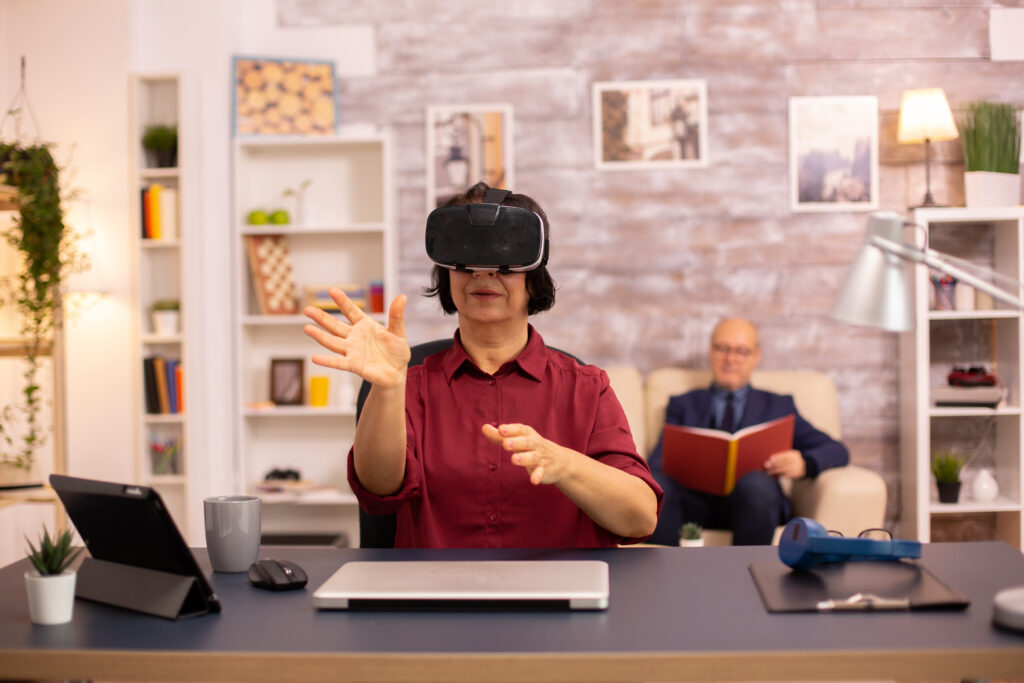
In today’s fast-paced, technology-driven world, lifelong learning has become more than just a personal choice it’s a necessity. The rapid advancement of technology, especially in the digital era, demands that individuals continually update their knowledge, refine their skills, and embrace new ways of thinking. From digital learning platforms to online education, opportunities for continuous learning are more accessible than ever, empowering individuals to thrive both personally and professionally.
This article explores the transformative impact of lifelong learning, the tools and strategies available in the digital age, and why embracing a mindset of self-improvement online is crucial for success in the modern world.
What is Lifelong Learning?
Lifelong learning refers to the ongoing pursuit of knowledge, skills, and competencies throughout a person’s life. Unlike traditional education, which often ends with formal schooling, lifelong learning emphasizes growth and adaptation at every stage of life. It includes formal methods, like degrees or certifications, as well as informal approaches, such as self-improvement online, workshops, podcasts, and reading.
In the modern world, lifelong learning is no longer optional. With industries constantly evolving due to automation, artificial intelligence, and new technologies, staying relevant requires individuals to continuously develop skills for the digital age.
The Importance of Continuous Learning
Continuous learning is essential in today’s professional landscape. Employees who actively engage in learning demonstrate adaptability, creativity, and resilience qualities that are highly sought after by employers. Beyond career advantages, continuous learning enhances mental agility, boosts confidence, and contributes to overall personal satisfaction.
Key benefits of continuous learning include:
- Career advancement: Individuals who learn continuously can pivot careers or pursue higher roles more easily.
- Adaptability: The ability to adjust to new technologies and work environments.
- Problem-solving skills: Exposure to diverse subjects fosters innovative thinking.
- Personal fulfilment: Learning new skills or knowledge enhances self-esteem and life satisfaction.
Lifelong Learning in the Digital Age
The digital age has revolutionized the way we learn. Traditional barriers such as location, time, and cost are minimized thanks to online education platforms, virtual classrooms, and mobile learning apps. Today, anyone with an internet connection can access a wealth of knowledge from top universities, experts, and professional trainers worldwide.
Some examples of digital learning tools include:
- Massive Open Online Courses (MOOCs): Platforms like Coursera, edX, and Udemy offer thousands of courses on diverse topics.
- Webinars and virtual workshops: Interactive learning experiences led by experts.
- E-books and podcasts: Convenient resources for learning on the go.
- Learning management systems (LMS): Corporate training tools that track progress and provide structured content.
The Role of Online Education in Self-Improvement
Online education has emerged as a cornerstone of modern self-improvement online. Unlike traditional classrooms, online learning allows learners to study at their own pace, choose topics relevant to their goals, and access global perspectives. Whether it’s mastering coding, digital marketing, or emotional intelligence, online education provides a flexible pathway to personal and professional growth.
Advantages of online education include:
- Accessibility: Learn from anywhere in the world.
- Affordability: Often more cost-effective than conventional education.
- Customisation: Courses can be tailored to individual learning styles and interests.
- Networking opportunities: Online communities and discussion forums facilitate collaboration and idea exchange.
Developing Skills for the Digital Age
In a world dominated by technology, acquiring the right skills for the digital age is critical. This includes both technical and soft skills that enhance employability and productivity.
Key skills for digital-age success:
- Digital literacy: Understanding and using technology effectively.
- Data analysis: Interpreting data to make informed decisions.
- Critical thinking: Evaluating information and solving complex problems.
- Communication skills: Collaborating effectively in virtual environments.
- Creativity and innovation: Designing new solutions and thinking outside the box.
By focusing on these competencies, individuals can remain competitive and adapt to the evolving demands of the job market.
Strategies for Lifelong Learning
Embracing lifelong learning requires intention and structured strategies. Here are some effective approaches:
- Set learning goals: Define what skills or knowledge you want to gain.
- Create a learning schedule: Dedicate consistent time for learning activities.
- Leverage technology: Use digital learning platforms, apps, and online resources.
- Engage in experiential learning: Apply knowledge through projects, internships, or volunteering.
- Seek mentorship: Learn from experienced professionals and peers.
- Reflect and review: Regularly assess your progress and adjust learning methods.
Overcoming Barriers to Lifelong Learning
Despite the abundance of resources, many people face challenges when pursuing lifelong learning. Common barriers include lack of time, motivation, or financial resources. However, with the right mindset and tools, these obstacles can be overcome.
- Time management: Break learning into small, manageable chunks.
- Motivation: Focus on personal goals and intrinsic rewards rather than external pressures.
- Affordability: Take advantage of free online courses and open educational resources.
- Information overload: Prioritise learning topics that align with career and personal growth objectives.
The Psychological Benefits of Lifelong Learning
Lifelong learning not only improves skills but also has profound psychological benefits. Continuous engagement in learning:
- Enhances memory and cognitive function.
- Reduces stress by fostering a sense of control and accomplishment.
- Promotes social engagement through learning communities.
- Encourages a growth mindset, which leads to resilience in facing challenges.
Research shows that individuals who commit to learning throughout life report higher levels of life satisfaction and mental well-being.
Lifelong Learning and Career Growth
In the professional realm, employers increasingly value adaptability and up-to-date knowledge. Individuals who engage in continuous learning are more likely to:
- Receive promotions and salary increases.
- Transition smoothly into new roles or industries.
- Contribute innovative ideas and solutions.
- Mentor and inspire colleagues, strengthening workplace culture.
The modern job market is dynamic, and continuous skill development is no longer a luxury—it is essential for career longevity.
Building a Culture of Learning
Organizations can foster lifelong learning by creating environments that encourage learning in the modern world. This includes providing access to online education, mentorship programs, and flexible learning opportunities. Companies that invest in employee development benefit from higher engagement, innovation, and retention rates.
For individuals, cultivating a personal learning culture where curiosity, experimentation, and self-reflection are valued—can lead to sustained growth and adaptability.
Conclusion
The power of lifelong learning in the digital age cannot be overstated. With continuous learning, digital learning, and online education readily available, anyone can take charge of their personal and professional development. By actively pursuing skills for the digital age and embracing self-improvement online, individuals can remain relevant, adaptable, and fulfilled in an ever-changing world.
Ultimately, lifelong learning is more than acquiring knowledge it is a mindset that fosters resilience, curiosity, and the pursuit of excellence throughout life. In the digital era, the opportunity to grow, evolve, and succeed has never been greater.